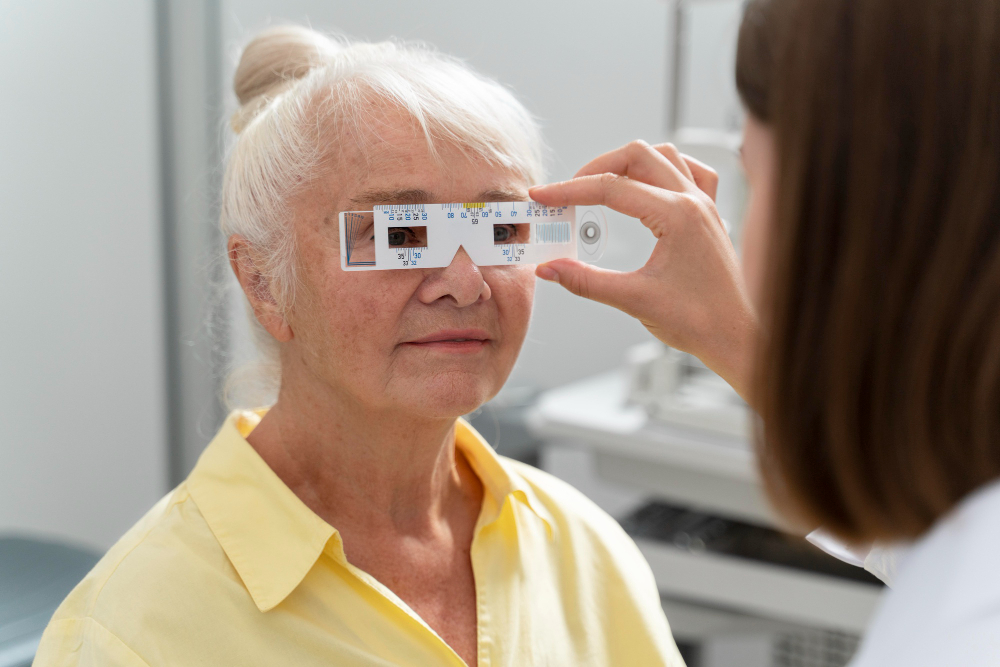
Diabetic retinopathy is a serious eye condition affecting individuals with diabetes. It develops when elevated blood sugar levels damage the tiny blood vessels in the retina, the part of the eye crucial for vision. This condition often causes no noticeable symptoms in its early stages, but it can progress unnoticed, leading to significant, sometimes permanent, vision impairment. Regular diabetic eye screenings are vital for early detection and management. Advanced cases may require treatments like laser surgery or medication injections. Managing blood sugar levels effectively is crucial in preventing or slowing the progression of diabetic retinopathy.
Diabetic retinopathy is a serious eye complication of diabetes. It occurs when elevated blood sugar levels damage the blood vessels in the retina, the light-sensitive part at the back of the eye. This damage can cause blood vessels to swell, leak, or grow abnormally, adversely affecting vision.
Initially, diabetic retinopathy may exhibit no symptoms or only mild vision issues. However, without management, it can progress to serious vision impairment or even blindness. This risk highlights the critical need for regular eye screenings in individuals with diabetes to facilitate early detection and treatment.


Diabetic retinopathy progresses through two main stages:
Non-Proliferative Retinopathy (NDR):
This early stage is marked by weakened and leaking blood vessels in the retina.
Proliferative Diabetic Retinopathy (PDR):
In this advanced stage, new, abnormal blood vessels grow, causing rapid, sometimes permanent vision loss. Diabetic retinopathy is the leading cause of vision loss amongst working-age adults.
The treatment approach varies based on the stage of retinopathy. Early on, managing blood sugar effectively can slow progression. As the condition advances, treatments may include laser surgery, corticosteroids, anti-VEGF injections, or surgery. Diabetic retinopathy may also lead to conditions such as macular edema, which may require additional evaluation and treatment.

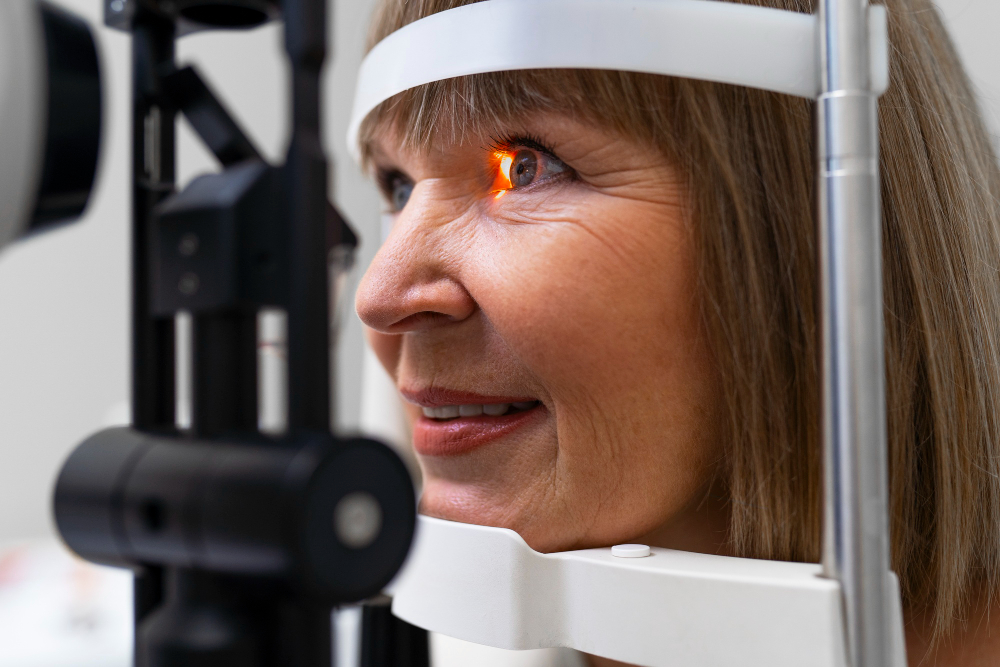
For anyone living with diabetes, regular diabetic eye screenings are vital. These screenings involve pupil dilation, imaging tests, and a physical exam by your doctor. You will receive immediate results on the disease status. A routine diabetes and eye test can help identify retinal changes before noticeable vision loss occurs.
Early detection and proper management of diabetic retinopathy are crucial in preventing significant vision loss. Regular eye exams are an essential part of diabetes care; your doctor can help prevent vision loss early. Regular appointments for an eye check diabetes screening help monitor retinal health and support long-term vision preservation.

At our clinic, we are dedicated to providing comprehensive diabetic eye care. We emphasize the importance of regular screenings and early intervention in managing diabetic retinopathy. Our team is equipped with advanced diagnostic tools and offers a range of treatment options tailored to your needs. Trust us to be your partner in preserving your vision and eye health as part of your overall diabetes management plan. We provide treatment for Diabetic Retinopathy in Albuquerque. Contact Retina Consultants of New Mexico to schedule an evaluation.
Many people experience no symptoms initially. As the condition progresses, symptoms may include blurry vision, floaters, dark spots, distorted vision, or difficulty reading.
Most people with diabetes should have a comprehensive eye exam at least once per year. Your doctor may recommend more frequent monitoring depending on your retinal health.
Early stages may be stabilized through proper diabetes management. Advanced stages often require treatment to slow progression and protect remaining vision.
No. Many patients have retinal damage before noticing any vision changes, making regular screenings essential.
Treatment may include monitoring, anti-VEGF injections, corticosteroids, laser therapy, or retinal surgery, depending on severity.
Without treatment, diabetic retinopathy can lead to severe vision loss or blindness. Early detection greatly improves outcomes.
You should schedule an evaluation if you have diabetes and notice blurry vision, floaters, dark spots, distorted vision, or sudden vision changes.
Trustindex verifies that the original source of the review is Google. Experience was very good!! The wait was a bit long but it's a busy place. The staff all very nice and courteous. The Retinal specialist/ Dr. I saw was very nice and fast and knowledgeable with my exam.Posted onTrustindex verifies that the original source of the review is Google. Listen to mePosted onTrustindex verifies that the original source of the review is Google. Treatment went well. Even with health problems. I recovered well with their treatment!Posted onTrustindex verifies that the original source of the review is Google. All of the staff were friendly and welcoming, answering any questions I had. Dr. Roybal and everyone who worked with me took the time to explain things and ensure that I understood. Thank you for your professional and compassionate care.Posted onTrustindex verifies that the original source of the review is Google. The entire staff at Retina Consultants are friendly, efficient and professional. Dr. Roybal has been excellent in managing my macula degeneration issues.
Leave us a message
Do you have a question or need more info? Please enter your information and describe your inquiry, and we’ll get back to you as soon as possible. Thanks!
Updates coming soon

‘ Providing world-class retinal care and an exceptional patient experience. ’
© 2024 Retinal Consultants of New Mexico. All Rights Reserved