
Epiretinal membranes, also called “macular puckers” or “an epiretinal pucker,” are thin layers of fibrous tissue that form on the surface of the retina, usually over the macula, which provides sharp central vision. They may cause blurred or distorted vision, make straight lines look wavy, or make reading and fine-detail tasks more difficult. These membranes often develop with age-related changes in the vitreous gel and can also follow certain retinal conditions or eye surgery. A retina specialist diagnoses the condition with a dilated eye exam and imaging such as optical coherence tomography (OCT).
Many mild cases need only monitoring. When epiretinal membrane symptoms interfere with daily activities, a retina specialist may discuss ERM eye surgery, usually vitrectomy with membrane peeling. Retina Consultants of New Mexico provides evaluation and treatment planning for epiretinal membranes in Albuquerque.
Changes in central vision can affect reading, driving, and other daily tasks.
Epiretinal membranes, commonly known as macular puckers, are a frequently encountered eye condition, especially in older adults. They occur when a delicate, translucent layer of fibrous tissue forms on the surface of the retina – the part of the eye sensitive to light. This layer can contract, causing wrinkling or puckering in the macula. This can adversely affect the retinas’ function and cause visual disturbances.
The exact origins of epiretinal membranes are not always definite but are often linked to age-related changes in the vitreous gel inside the eye. They may also emerge post-eye surgery or due to eye conditions like retinal detachment or tears.


Symptoms of epiretinal membranes vary. Many individuals experience mild symptoms that don’t significantly impact vision. More pronounced cases can lead to blurred vision, visual distortion (such as straight lines appearing wavy), image size differences, or challenges in tasks requiring fine vision, like reading. Generally, the progression of symptoms is gradual.
Diagnosing epiretinal membranes involves a thorough eye examination, often supplemented by imaging tests such as Optical Coherence Tomography (OCT) to closely examine the retina’s surface. Treatment is based on symptom severity. In mild cases, no treatment might be necessary, and regular monitoring could suffice. However, for significant vision impairment, a surgical procedure known as vitrectomy could be advised. This surgery involves removing the membrane to potentially improve or stabilize vision.
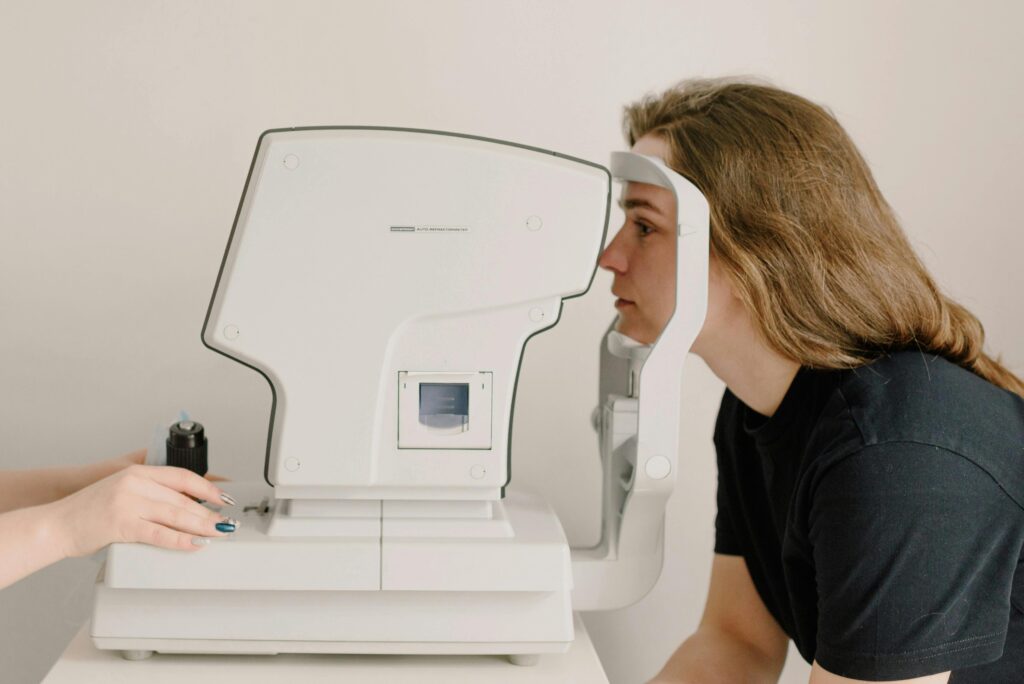
Schedule an evaluation if blurred or distorted central vision becomes noticeable, straight lines appear wavy, or reading and fine-detail tasks become more difficult. Sudden flashes, a new shower of floaters, a curtain or shadow in the vision, or sudden vision loss may signal a different retinal problem and should be assessed promptly.
The next right step depends on how much the membrane is affecting your vision and daily activities.

Understanding and managing epiretinal membranes is crucial. Most people with this condition can lead active, normal lives with the right monitoring and treatment. Regular eye exams play a vital role in detecting any changes and effectively managing the condition.
At our clinic, we are dedicated to providing comprehensive care for those with epiretinal membranes. We employ the latest diagnostic and surgical advances to offer personalized treatment plans to ensure the best possible outcomes for your vision and lifestyle. Trust us to guide you through understanding and managing this condition for continued quality of life and vision health. We provide treatment for Epiretinal Membranes Treatment in Albuquerque.
Yes. An epiretinal pucker and a macular pucker are common names for an epiretinal membrane, a thin layer of tissue on the surface of the macula. The terms describe the same condition, although the degree of wrinkling and the effect on vision can vary. An eye examination and OCT can show how much the membrane is affecting the macula.
Common epiretinal membrane symptoms include blurred central vision, distortion, and straight lines appearing wavy. Some people notice that objects look different in size between the two eyes or that reading fine print becomes harder to read. Mild membranes may cause few or no noticeable symptoms. A retina evaluation can help determine whether the symptoms are related to an ERM or another macular condition.
An ophthalmology evaluation usually includes a dilated retinal examination and OCT imaging. OCT produces detailed cross-sectional images of the macula, helping the specialist see the membrane and any retinal wrinkling or traction. Additional testing may be recommended if another retinal condition is suspected. The findings are considered together with the patient’s symptoms and daily visual needs.
ERM eye surgery may be considered when distortion or reduced central vision interferes with reading, driving, work, or other daily activities. Mild cases are often monitored when symptoms are stable and manageable. The decision depends on OCT findings, the degree of visual difficulty, and the patient’s overall eye health. A retina specialist can explain the expected benefits and risks for the individual eye
ERM eye surgery usually involves a vitrectomy and careful removal of the membrane from the macula. The procedure is intended to relieve traction and allow the macula to become less wrinkled. Visual improvement can be gradual, and the amount of recovery varies from person to person. The surgeon will provide preparation, recovery, and follow-up instructions based on the planned procedure.
Yes. People sometimes search for “epi retinal,” but the standard medical spelling is “epiretinal,” written as one word. In this context, both terms usually refer to tissue forming on the surface of the retina. Using the standard spelling helps patients find consistent information about the condition and its treatment.
An epiretinal membrane is tissue that forms on the surface of the macula and may wrinkle it. Vitreomacular traction occurs when the vitreous remains attached and pulls on the macula, while a macular hole is an opening in the macular tissue. These conditions can cause similar central vision changes, so OCT is used to distinguish them. Treatment recommendations depend on the specific diagnosis and severity.
Trustindex verifies that the original source of the review is Google. Experience was very good!! The wait was a bit long but it's a busy place. The staff all very nice and courteous. The Retinal specialist/ Dr. I saw was very nice and fast and knowledgeable with my exam.Posted onTrustindex verifies that the original source of the review is Google. Listen to mePosted onTrustindex verifies that the original source of the review is Google. Treatment went well. Even with health problems. I recovered well with their treatment!Posted onTrustindex verifies that the original source of the review is Google. All of the staff were friendly and welcoming, answering any questions I had. Dr. Roybal and everyone who worked with me took the time to explain things and ensure that I understood. Thank you for your professional and compassionate care.Posted onTrustindex verifies that the original source of the review is Google. The entire staff at Retina Consultants are friendly, efficient and professional. Dr. Roybal has been excellent in managing my macula degeneration issues.
Leave us a message
Do you have a question or need more info? Please enter your information and describe your inquiry, and we’ll get back to you as soon as possible. Thanks!
Updates coming soon

‘ Providing world-class retinal care and an exceptional patient experience. ’
© 2024 Retinal Consultants of New Mexico. All Rights Reserved