
Dry macular degeneration, also known as dry AMD or dry ARMD (Age-Related Macular Degeneration), is an eye condition that gradually impairs central vision, mostly affecting adults over 60. This dry macular disease is caused by the thinning of the macula, the part of the retina responsible for your clear central vision. Symptoms include blurred vision and difficulty reading. Call us to discuss dry macular treatment options, lifestyle changes, and medications that can help slow its progression.
Dry macular degeneration is a prevalent eye condition, primarily affecting those in their older years. It involves the gradual wasting of the macula, a crucial part of the retina that enables clear central vision. Those affected can lose their ability to read, recognize faces, and drive.
Unlike wet macular degeneration, the dry form is marked by the gradual thinning and aging of the macular retina rather than fluid or blood leakage. The term “dry” simply reflects this absence of leakage, making it the slower-progressing, though more common, of the two forms.
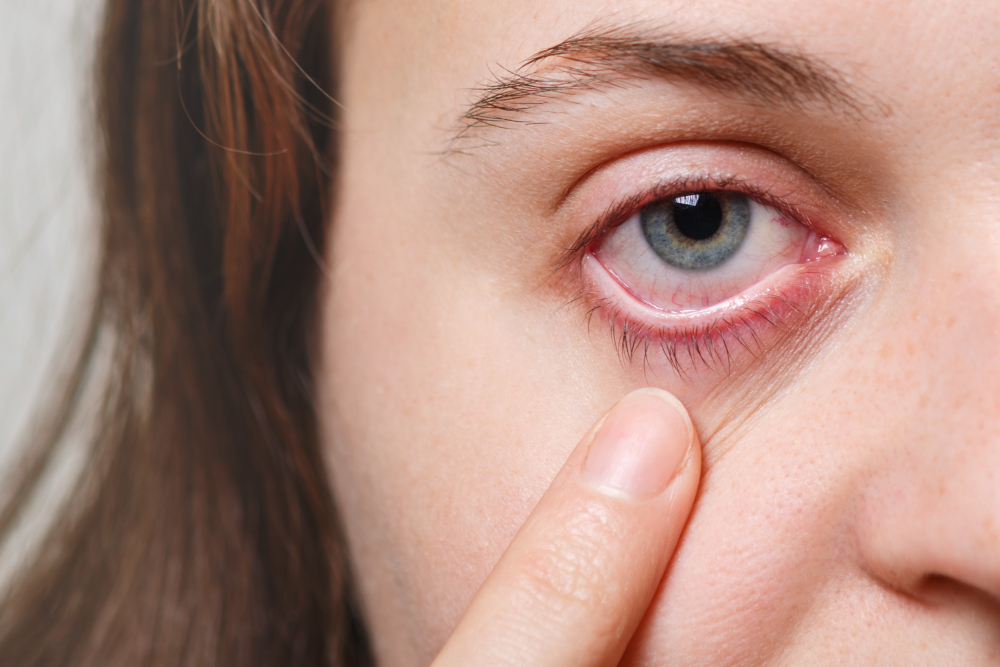
This condition progresses slowly, often resulting in mild vision loss, which may intensify over time. Common symptoms include a slight blur in vision, difficulty in recognizing faces, needing more light for reading, haziness in central vision, and challenges in adapting to low light. A notable sign is the presence of drusen, tiny yellowish deposits beneath the retina.
The exact cause of dry macular degeneration is not fully understood, but is associated with both genetic and environmental factors. Risk factors include advanced age, family history, smoking, obesity, hypertension, and a diet high in saturated fats.

If you are noticing changes to your central vision, do not wait.

While there is no cure, progression can be slowed with lifestyle changes such as quitting smoking, maintaining a diet rich in green vegetables and fish, regular exercise, and weight management. AREDS2 (Age-Related Eye Disease Study 2) supplements can help slow progression and reduce the risk of dry AMD converting to the wet form.
Recently, two medications were approved by the FDA for the treatment of advanced dry macular disease. A comprehensive exam and review of risks and benefits by a retina specialist is important to determine if you are a good candidate for dry AMD treatment.
Early detection through regular eye exams allows your retina specialist to determine the right dry macular treatment plan for you. While there is no cure for dry macular disease, options include AREDS2 supplementation, lifestyle modifications, and, for advanced cases, two newly FDA-approved medications. Dr. Roybal will evaluate your stage of dry AMD and recommend the most appropriate course of action.

Ready to discuss your dry AMD treatment options?
It is crucial for those diagnosed or at risk of dry macular degeneration to understand the condition and maintain close communication with their ophthalmologist. Regular monitoring and proactive management of vision changes are essential for preserving quality of life.
At our clinic, we are dedicated to providing comprehensive support and care for patients with dry macular degeneration. We believe in empowering our patients with knowledge and effective management strategies to cope with this condition.
Dr. Roybal and the team have extensive experience providing dry ARMD treatment and dry AMD care across New Mexico. We are here to guide you from diagnosis through every stage of your dry macular treatment plan.
No, dry AMD, dry ARMD, and dry macular degeneration all refer to the same condition. AMD stands for age-related macular degeneration. Both terms are used in medical literature, and patients commonly search for both. Your retina specialist may use either term.
Yes. Approximately 10–15% of dry AMD cases progress to the wet form, which involves abnormal blood vessel growth and is more aggressive. This is why regular monitoring with Dr. Roybal is essential; early detection of any conversion allows for timely intervention.
Most patients with dry macular degeneration require monitoring every 6 to 12 months, depending on the severity of their condition. Those with more advanced dry AMD may need more frequent evaluations. Dr. Roybal will establish the right schedule for your specific case.
AREDS2 supplements are a specific formula of vitamins and minerals, including lutein, zeaxanthin, vitamin C, vitamin E, and zinc, shown in clinical trials to reduce the risk of dry AMD progressing to advanced stages by approximately 25%. Not everyone with dry macular disease qualifies; Dr. Roybal will assess whether they are appropriate for your stage.
Hold the Amsler grid at a comfortable reading distance in good lighting. Cover one eye and focus on the center dot with the other. Check for wavy lines, blurry areas, or missing sections in the grid. If anything has changed since your last check, contact us right away. Test each eye separately, daily.
Yes. Dry AMD often begins in one eye, but the risk of developing it in the other eye is significant. Regular monitoring of both eyes, through in-office exams and daily Amsler grid checks at home, is important for catching any changes as early as possible.
Trustindex verifies that the original source of the review is Google. Experience was very good!! The wait was a bit long but it's a busy place. The staff all very nice and courteous. The Retinal specialist/ Dr. I saw was very nice and fast and knowledgeable with my exam.Posted onTrustindex verifies that the original source of the review is Google. Listen to mePosted onTrustindex verifies that the original source of the review is Google. Treatment went well. Even with health problems. I recovered well with their treatment!Posted onTrustindex verifies that the original source of the review is Google. All of the staff were friendly and welcoming, answering any questions I had. Dr. Roybal and everyone who worked with me took the time to explain things and ensure that I understood. Thank you for your professional and compassionate care.Posted onTrustindex verifies that the original source of the review is Google. The entire staff at Retina Consultants are friendly, efficient and professional. Dr. Roybal has been excellent in managing my macula degeneration issues.
Leave us a message
Do you have a question or need more info? Please enter your information and describe your inquiry, and we’ll get back to you as soon as possible. Thanks!
Updates coming soon

‘ Providing world-class retinal care and an exceptional patient experience. ’
© 2024 Retinal Consultants of New Mexico. All Rights Reserved