
Wet macular degeneration, also known as wet AMD or wet ARMD (Age-Related Macular Degeneration), is a serious eye condition causing sudden blurred vision, central blind spots, or distortions due to abnormal blood vessels leaking fluid in the retina. It progresses faster than its dry counterpart, requiring prompt medical attention. Early detection and treatment, including intravitreal injections, are crucial to manage symptoms and prevent severe vision loss. Regular home screening with an Amsler grid is important for early diagnosis.
Wet macular degeneration, also known as neovascular or exudative macular degeneration, is a serious chronic eye disorder. It primarily causes blurred vision or a blind spot in the central visual field. This condition is more acute than its counterpart, dry macular degeneration, and is marked by the growth of abnormal blood vessels beneath the macula, the part of the retina crucial for clear, direct vision.
The term ‘wet’ refers to the leakage from these new, abnormal blood vessels. They release fluid and blood into the retina, causing swelling and damage. This leads to notable vision changes, such as wavy lines, blind spots, and loss of central vision. Symptoms can develop rapidly and worsen swiftly, making early detection and intervention vital.


The exact cause of wet macular degeneration is not fully understood, but its three major risk factors include age (common in those over 60), smoking, and genetics.
If you are experiencing loss of central vision, blank spots, or distortions in either eye, you must contact your eye doctor or us for an urgent evaluation. You can easily detect these symptoms at home using an Amsler grid while closing either eye.
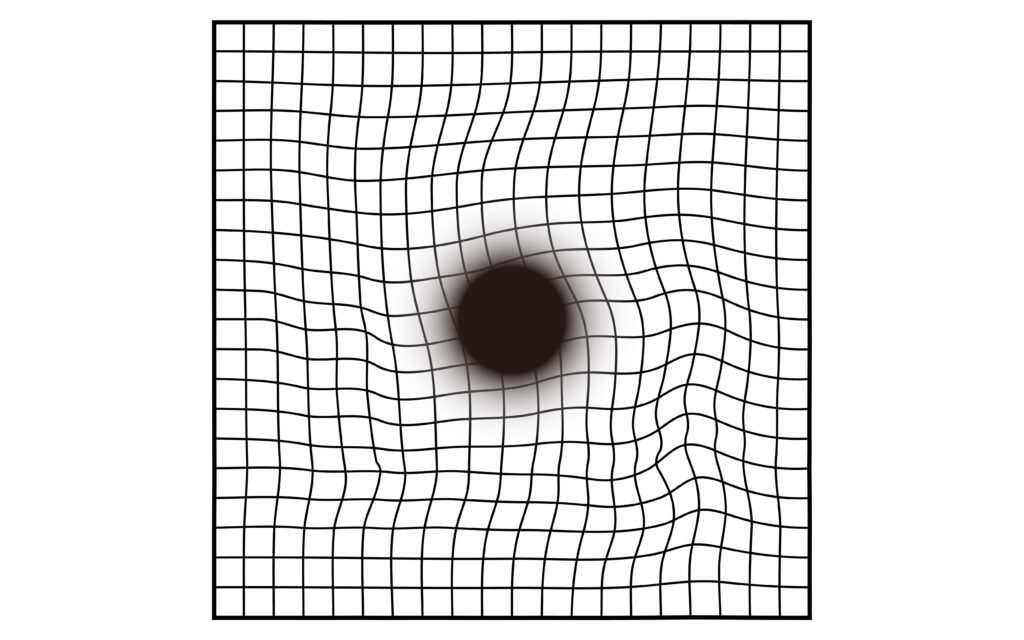
If you are noticing changes to your central vision, do not wait.
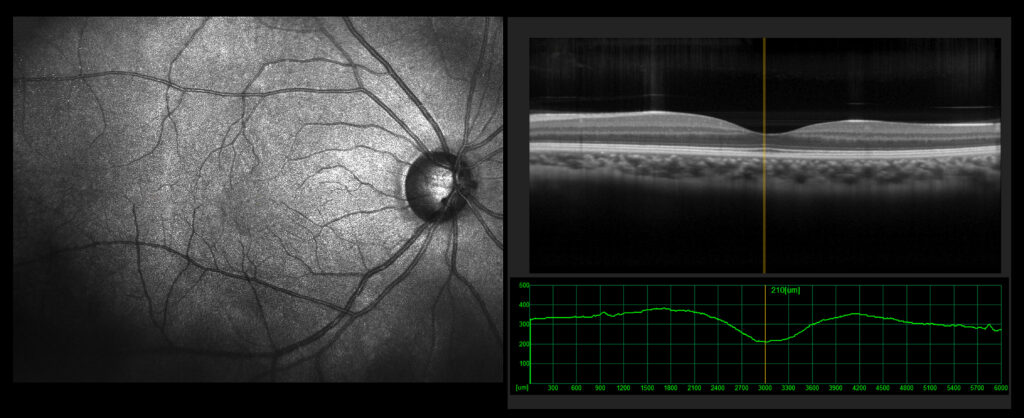
Diagnosis is achieved through a comprehensive eye exam, utilizing tools like Optical Coherence Tomography (OCT) and fluorescein angiography. These techniques allow detailed examination of the retina and its blood vessels.
The good news is that treatments exist to effectively treat wet macular degeneration. Anti-VEGF injections halt the growth of these abnormal vessels and prevent further leakage. While there is no cure, these wet AMD treatments, along with regular monitoring, can effectively manage the condition and even restore some vision loss.

Ready to discuss your wet AMD treatment options?
Managing this condition can be challenging, and may require regular visits to see your retina specialist. Thanks to treatment advancements, paired with early detection, patients are generally able to live normal lives and maintain their central vision.
For those affected and their loved ones, comprehending the complexities of wet macular degeneration is essential.
At our clinic, we are committed to providing comprehensive care and support for those living with wet macular degeneration. We believe in empowering our patients with knowledge and offering the latest treatment options to help manage this condition effectively.
Dr. Roybal and the team have extensive experience providing wet ARMD treatment and wet AMD care across New Mexico. We are here to guide you from diagnosis through every stage of your treatment plan.
Most patients begin with monthly anti-VEGF injections. As the condition responds to wet AMD treatment, the interval between appointments is often extended. Your retina specialist will monitor your progress through imaging and adjust your schedule based on how well your eye is responding.
Anti-VEGF injections are performed using anesthetic eye drops to minimize discomfort. Most patients report little to no pain during the procedure. Mild pressure or a brief stinging sensation is possible. The injection itself takes only a few minutes and is performed in our Albuquerque office.
Yes. Without treatment, wet AMD can progress rapidly. Abnormal blood vessel growth and fluid leakage can scar the macula and cause permanent central vision loss. Early wet macular treatment gives the best chance of slowing progression and preserving your vision. Contact us immediately if you notice any changes.
Hold the Amsler grid at a comfortable reading distance in good lighting. Cover one eye and focus on the center dot with the other. Check for wavy lines, blurry areas, or missing sections in the grid. If anything has changed since your last check, contact us right away. Test each eye separately, daily.
Wet AMD often begins in one eye, but the risk of developing it in the other eye is significant. Regular monitoring of both eyes, through in-office exams and daily Amsler grid checks at home, is important for catching any changes as early as possible.
Results vary by individual, but many patients experience stabilized vision, and some notice meaningful improvement, particularly when wet macular treatment begins early. The goal is to protect the vision you have and, where possible, recover some of what has been affected. Your retina specialist will set realistic expectations at your first evaluation.
Trustindex verifies that the original source of the review is Google. Experience was very good!! The wait was a bit long but it's a busy place. The staff all very nice and courteous. The Retinal specialist/ Dr. I saw was very nice and fast and knowledgeable with my exam.Posted onTrustindex verifies that the original source of the review is Google. Listen to mePosted onTrustindex verifies that the original source of the review is Google. Treatment went well. Even with health problems. I recovered well with their treatment!Posted onTrustindex verifies that the original source of the review is Google. All of the staff were friendly and welcoming, answering any questions I had. Dr. Roybal and everyone who worked with me took the time to explain things and ensure that I understood. Thank you for your professional and compassionate care.Posted onTrustindex verifies that the original source of the review is Google. The entire staff at Retina Consultants are friendly, efficient and professional. Dr. Roybal has been excellent in managing my macula degeneration issues.
Leave us a message
Do you have a question or need more info? Please enter your information and describe your inquiry, and we’ll get back to you as soon as possible. Thanks!
Updates coming soon

‘ Providing world-class retinal care and an exceptional patient experience. ’
© 2024 Retinal Consultants of New Mexico. All Rights Reserved