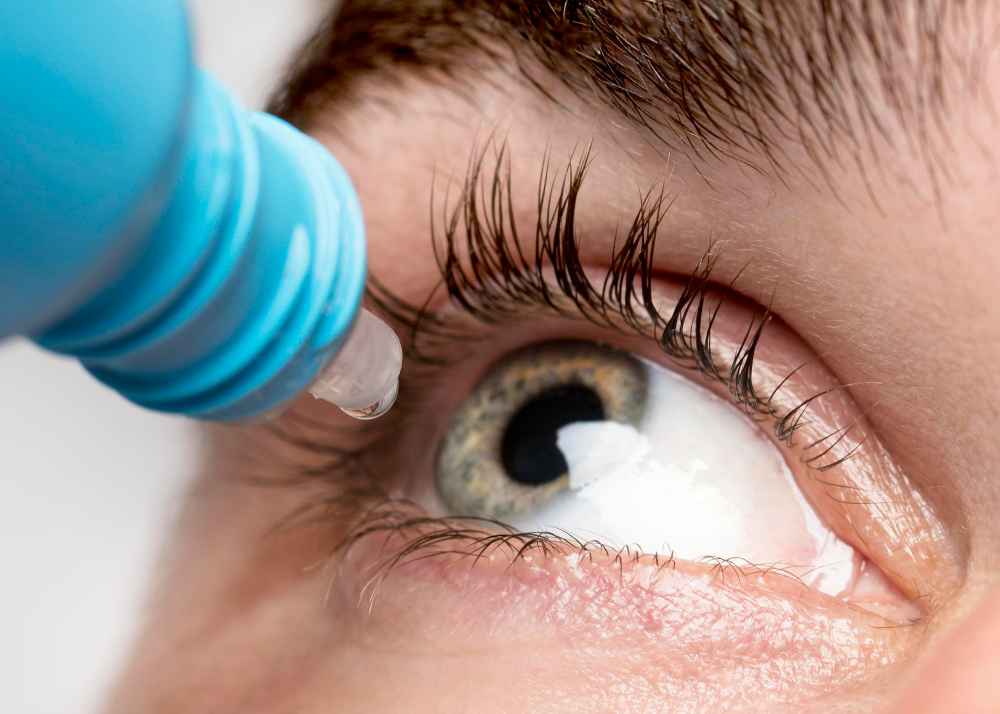
Macular edema is an eye condition characterized by swelling and fluid accumulation in the macula, the central region of the retina responsible for detailed vision. Commonly associated with diabetes, it can also result from other conditions, like retinal vein occlusion, inflammation, or eye surgery. Symptoms include blurred or wavy central vision and difficulty reading or recognizing faces. Diagnosis involves a comprehensive eye exam and imaging techniques like OCT (Optical Coherence Tomography). Treatment varies, including medication injections, laser therapy, and corticosteroids to reduce swelling and improve vision. Managing underlying conditions is crucial for the prevention and control of macular edema.
We provide macular edema treatment in Albuquerque. If you are experiencing these symptoms…
Diabetic macular edema is a significant complication often seen in patients with diabetic retinopathy, a condition linked to diabetes. It involves swelling in the macula, the central part of the retina crucial for clear, central vision. The swelling develops due to fluid build-up from leaking blood vessels. This can lead to visual symptoms such as blurriness, wavy lines, and faded colors.
This condition is frequently associated with prolonged diabetes and inadequate blood sugar control. It underscores the importance of regular eye care for individuals with diabetes to catch and address such complications early on.
Macular edema is not only linked to diabetes. It can also develop after retinal vein occlusion, following cataract or other eye surgery (sometimes called cystoid macular edema), or from inflammation inside the eye, such as uveitis. Identifying the underlying cause is the first step, because treatment works best when both the swelling and its source are addressed.

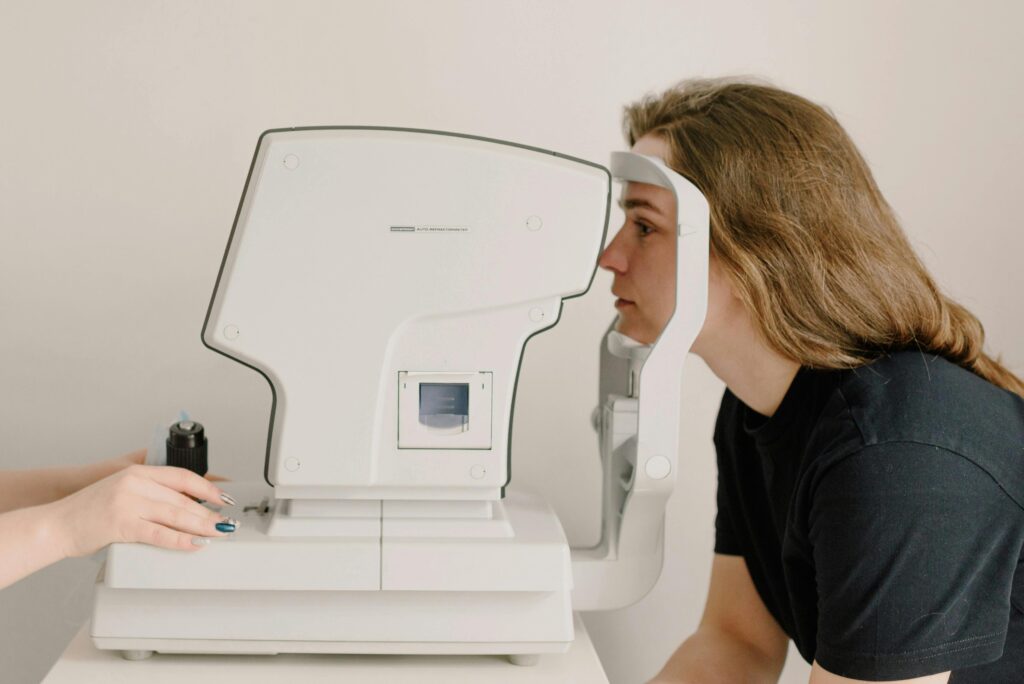
In diabetic eye screenings, our retina specialists, Dr. Nathaniel Roybal and Dr. Onelys Uzcategui, thoroughly examine the retina for any signs of fluid accumulation and damage. Pupil dilation is a standard part of this exam, enabling a more detailed view of the retina. Advanced imaging tests, like Optical Coherence Tomography (OCT), will be used to gauge the extent of macular swelling.
The treatment for diabetic macular edema varies based on its severity. Options may include:
Anti-VEGF Injections: To minimize vessel leakage and swelling.
Laser Therapy: Aimed at sealing any leaking vessels.
Corticosteroids: Used to alleviate leakage due to inflammation.
Alongside these treatments, controlling blood sugar levels, blood pressure, and cholesterol is crucial in managing and preventing diabetic macular edema.
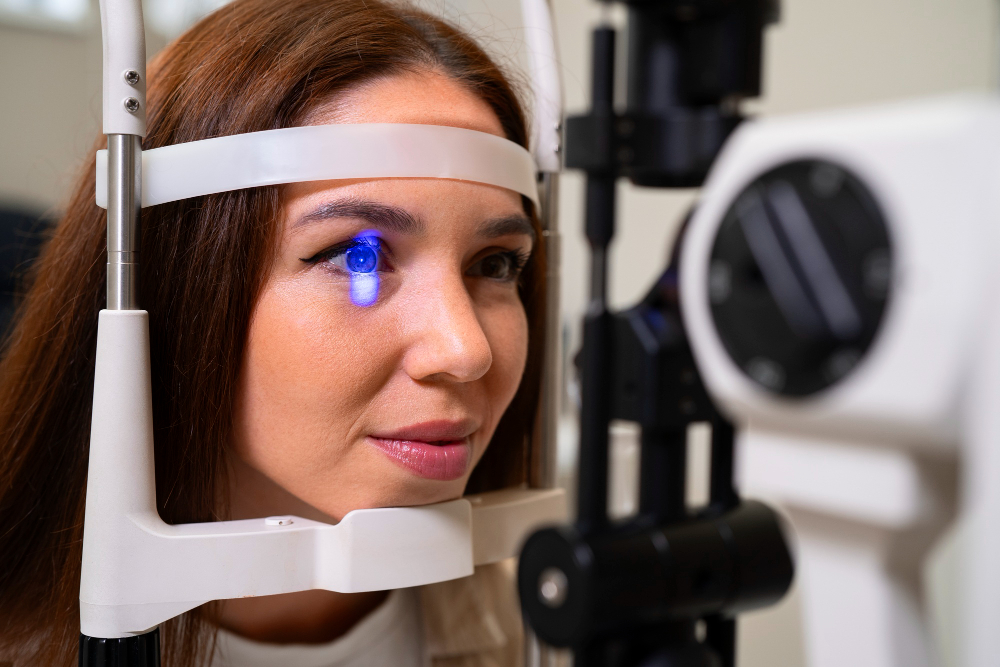

For individuals with diabetes, being aware of the risk of diabetic macular edema and the importance of regular eye examinations is vital. Early detection and appropriate treatment can often prevent or significantly minimize vision loss from this condition, helping maintain a good quality of life.
Ready to discuss your macular edema treatment options?
At Retina Consultants of New Mexico, we are dedicated to providing comprehensive care for patients with diabetes, including the prevention and treatment of diabetic macular edema. We utilize the latest diagnostic tools and treatment methods to ensure the best possible outcomes for your vision and overall eye health. Trust Retina Consultants of New Mexico to be your partner in maintaining your vision, an essential part of managing your diabetes. We provide macular edema treatment in Albuquerque for both diabetic and non-diabetic causes.
Macular edema means a build-up of fluid and swelling in the macula, the small central part of the retina that gives you sharp, straight-ahead vision. It is not a disease on its own. It is a sign that an underlying condition, most often diabetes but also retinal vein occlusion, inflammation, or recent eye surgery, is causing fluid to leak into the retina. Treating macular edema means addressing both the swelling and its cause.
Retinal edema is a general term for fluid and swelling anywhere in the retina. Macular edema is a specific type of retinal edema where the swelling occurs in the macula, the area responsible for detailed central vision. Because the macula handles your sharpest sight, macular edema affects reading, faces, and fine detail more noticeably than swelling elsewhere in the retina.
No. Edema around the eyes refers to puffiness of the eyelids and surrounding skin, often from allergies, fluid retention, or lack of sleep. Macular edema is swelling inside the eye, within the retina itself, and cannot be seen from the outside. Puffy eyelids are usually harmless, but any change in your central vision should be checked by a retina specialist.
Diabetic macular edema is one of the most common ways diabetic retinopathy threatens vision. In diabetic retinopathy, high blood sugar damages the tiny blood vessels in the retina over time, and these weakened vessels leak fluid into the macula, producing the swelling known as diabetic macular edema. Controlling blood sugar, blood pressure, and cholesterol helps protect against both. Learn more on our diabetic retinopathy treatment page.
Left untreated, fluid in the macula can continue to accumulate, leading to progressive blurring, distortion, and eventually permanent central vision loss. Early swelling often causes only mild symptoms, so many people do not realize damage is occurring. The earlier macular edema is detected and treated, the better the chance of protecting and even recovering vision.
Most cases of macular edema are treated with anti-VEGF injections, administered in our Albuquerque office using numbing eye drops. The procedure takes only a few minutes, and most patients feel little more than brief pressure. Results vary: some notice clearer central vision within a few weeks, while others need a series of treatments before the swelling fully settles.
Yes. Macular edema is often tied to a chronic condition such as diabetes, so swelling can return if the underlying cause is not well managed. Many patients need ongoing monitoring and repeat treatments to keep the macula dry and stable. Regular retina exams let us catch any returning swelling early, before it affects your vision.
Trustindex verifies that the original source of the review is Google. Experience was very good!! The wait was a bit long but it's a busy place. The staff all very nice and courteous. The Retinal specialist/ Dr. I saw was very nice and fast and knowledgeable with my exam.Posted onTrustindex verifies that the original source of the review is Google. Listen to mePosted onTrustindex verifies that the original source of the review is Google. Treatment went well. Even with health problems. I recovered well with their treatment!Posted onTrustindex verifies that the original source of the review is Google. All of the staff were friendly and welcoming, answering any questions I had. Dr. Roybal and everyone who worked with me took the time to explain things and ensure that I understood. Thank you for your professional and compassionate care.Posted onTrustindex verifies that the original source of the review is Google. The entire staff at Retina Consultants are friendly, efficient and professional. Dr. Roybal has been excellent in managing my macula degeneration issues.
Leave us a message
Do you have a question or need more info? Please enter your information and describe your inquiry, and we’ll get back to you as soon as possible. Thanks!
Updates coming soon

‘ Providing world-class retinal care and an exceptional patient experience. ’
© 2024 Retinal Consultants of New Mexico. All Rights Reserved