
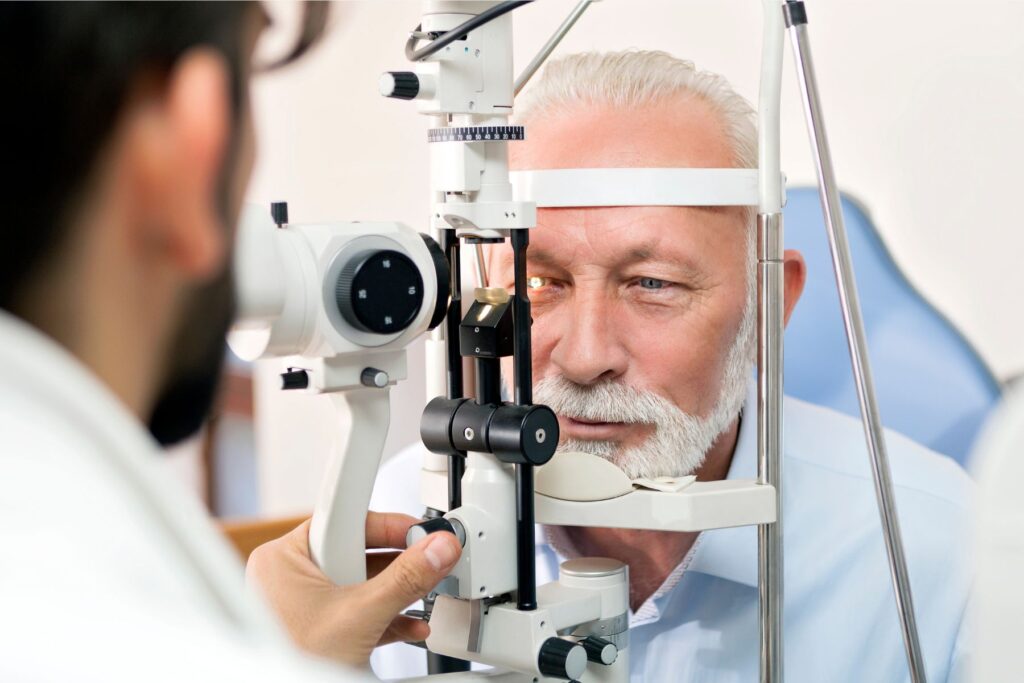
What is dry macular degeneration? It’s one of the most common causes of central vision loss among adults over 50—and understanding it early can make a world of difference. Dry age-related macular degeneration (AMD) gradually damages the macula, the central part of the retina that enables you to see fine details and colors clearly.
At Retina Consultants of New Mexico, our specialists emphasize early detection and education to help patients protect their eyesight and preserve their quality of life. Whether you’ve been recently diagnosed or want to understand your risk factors, learning what dry macular degeneration is can be the first step toward proactive care and prevention.
What Does AMD Stand for and How It Relates to Vision Loss
AMD stands for Age-Related Macular Degeneration—a condition that affects the macula, the central area of the retina responsible for sharp, detailed vision. Over time, this area can deteriorate, making it difficult to read, recognize faces, or see objects clearly in front of you.
In dry AMD, small yellow deposits called drusen form beneath the retina. These drusen interfere with the retina’s ability to function properly, gradually blurring or fading central vision. Unlike the “wet” form, dry AMD does not involve leaking blood vessels—but it can still have a major impact on independence and daily activities.
At Retina Consultants of New Mexico, we emphasize that understanding what AMD stands for goes beyond more than just learning an acronym—it’s about recognizing how it impacts everyday vision and overall eye health..
Dry AMD Meaning and What It Reveals About the Condition
When people ask about the meaning of dry AMD, it’s important to understand that “dry” refers to the absence of fluid or blood leakage under the retina. Instead, the damage comes from gradual thinning and breakdown of macular tissue.
Over time, light-sensitive cells in the macula stop working correctly, leading to blurred or missing spots in your central vision. Peripheral (side) vision usually remains intact, which is why patients can still move around and navigate, but tasks like reading and driving become harder.
Learning what is dry AMD early allows you to take steps—through diet, eye protection, and regular exams—to slow the disease before it affects your quality of life.
What Causes Dry Macular Degeneration and How It Begins
Researchers continue to study what causes dry macular degeneration, but several key risk factors are well established. Age is the leading cause—most cases develop in adults over 50—but lifestyle and genetics play major roles too.
Primary causes and risk factors include:
- Aging: Natural retinal cell changes accumulate over time.
- Family history: A genetic predisposition increases your risk.
- Smoking: The toxins in cigarette smoke accelerate retinal damage.
- Cardiovascular disease: High blood pressure and cholesterol affect blood flow to the retina.
- Poor diet: Lack of antioxidants and omega-3s weakens retinal defenses.
- Sun exposure: Long-term UV exposure can contribute to retinal stress.
At Retina Consultants of New Mexico, we often explain to patients that what causes dry AMD involves a mix of internal and environmental factors. Fortunately, many of these factors—such as smoking and diet—can be managed and improved with healthy lifestyle choices.
What Are the Symptoms of Dry Macular Degeneration That You Should Watch For?
Early symptoms are subtle and easy to overlook, which is why regular eye exams are essential. The most common symptoms of dry macular degeneration include:
- Blurred or fuzzy vision
- Trouble reading small print or recognizing faces
- Needing brighter light for close-up tasks
- Difficulty adapting to dim light
- Colors appearing faded
- A blank or blurry spot near the center of your vision
Because these changes happen gradually, many patients don’t notice them until significant damage has occurred. If you experience any of these signs, schedule an eye exam with Retina Consultants of New Mexico immediately.
Dry AMD Stages and How the Condition Evolves in the Retina
Dry macular degeneration develops slowly over three main stages. Understanding these dry AMD stages helps you track your progress and work with your doctor to prevent worsening.
Stage 1: Early AMD
Drusen are present but small and few in number. Most people experience little or no vision loss at this stage.
Stage 2: Intermediate AMD
Drusen become larger, and pigment changes appear in the retina. Some mild vision distortion or difficulty reading may occur.
Stage 3: Advanced AMD
The macula’s light-sensitive cells break down significantly, causing noticeable central vision loss. In some cases, dry AMD may progress to the “wet” form, which is more aggressive.
Detecting Early Signs of Dry Macular Degeneration Before It Progresses
Detecting the early signs of dry macular degeneration is critical. Routine eye exams with optical coherence tomography (OCT) and retinal imaging can reveal drusen deposits and subtle pigment changes long before symptoms arise.
At Retina Consultants of New Mexico, our specialists use advanced imaging technology to identify these signs early, helping patients take preventive action to preserve vision for as long as possible.
What Does Vision Look Like With Dry Macular Degeneration?
Patients often ask, what does vision look like with dry macular degeneration?
Imagine looking at a face or a sentence on a page—then seeing a blurry or faded spot in the center. The periphery remains clear, but the middle looks washed out or missing. Straight lines might appear slightly distorted, and colors seem dull.
This pattern of central vision loss can be frustrating but manageable with treatment and support. Many patients benefit from low-vision aids and adaptive lighting.
How Serious Is Dry Macular Degeneration and What It Means for Vision Health
How serious is dry macular degeneration? Although it typically progresses slowly, the long-term impact can be life-changing. Central vision loss affects reading, driving, and recognizing faces—core parts of daily independence.
Even though dry AMD doesn’t cause complete blindness, it can lead to significant visual disability if untreated. Early detection, monitoring, and lifestyle adjustments are key to slowing its progression.
At Retina Consultants of New Mexico, we emphasize education and consistent care because understanding how serious is dry macular degeneration helps patients take their condition seriously and follow through with preventive steps.
How Fast Does Dry AMD Progress and What To Expect Over Time
There’s no universal timeline for how fast dry AMD progresses—some patients experience stable vision for years, while others see changes more rapidly. Typically, progression occurs over many years, and not all patients reach the advanced stage.
Regular monitoring with a retina specialist ensures changes are detected early. At Retina Consultants of New Mexico, our doctors track subtle shifts in your retina and adjust your management plan as needed.
How Common Is Dry Macular Degeneration Among Seniors?
Dry AMD is incredibly common among adults over 60. In fact, it accounts for roughly 85–90% of all AMD cases in the United States.
How common is dry macular degeneration? Nearly one in eight adults over 60 show early signs of it. As people live longer, these numbers are expected to increase—making prevention and early management even more important.
Regular exams at Retina Consultants of New Mexico can help seniors stay ahead of the disease and preserve healthy vision longer.
How To Prevent Dry Macular Degeneration With Simple Daily Habits
The good news is small, consistent habits can significantly lower your risk. Understanding how to prevent dry macular degeneration starts with protecting your eyes from damage and fueling them with the right nutrients.
Top prevention strategies include:
- Quit smoking: Smoking is the most controllable risk factor.
- Eat eye-healthy foods: Include dark leafy greens, berries, fish, and nuts.
- Maintain blood pressure and cholesterol: Cardiovascular health affects retinal circulation.
- Wear UV-protective sunglasses: Shield your eyes from harmful rays.
- Get regular eye exams: Early detection allows for early action.
At Retina Consultants of New Mexico, our specialists empower patients with prevention plans tailored to their needs and lifestyles.
What Vitamins Help Prevent Macular Degeneration Naturally?
Certain nutrients can protect retinal cells from oxidative stress. The AREDS2 (Age-Related Eye Disease Study 2) formula is often recommended to reduce AMD progression risk.
Key supplements include:
- Vitamin C and E: Powerful antioxidants that support eye tissue.
- Zinc and copper: Support the metabolism of retinal cells.
- Lutein and zeaxanthin: Carotenoids that filter harmful light and protect the macula.
- Omega-3 fatty acids: Found in fish oil, they help maintain healthy retinal membranes.
Knowing what vitamins help prevent macular degeneration allows you to strengthen your eye health naturally. However, always consult your retina specialist before starting supplements.
Is There a Cure for Dry Macular Degeneration or Just Long-Term Management?
Many patients wonder, is there a cure for dry macular degeneration? While there’s currently no permanent cure, there are effective management strategies that slow progression and help patients maintain usable vision.
At Retina Consultants of New Mexico, care focuses on monitoring disease progression, supporting retinal function, and helping patients adapt through vision aids and nutrition.
Dry AMD Treatment Options and How Specialists Manage the Condition
Dry AMD treatment aims to preserve vision rather than restore lost sight. Treatment approaches may include:
- Nutritional Therapy (AREDS2 Supplements): Clinically proven to reduce progression risk in intermediate AMD.
- Lifestyle Changes: Smoking cessation, UV protection, and diet improvements can significantly help.
- Low Vision Rehabilitation: Magnifiers, high-contrast lighting, and digital tools help patients stay independent.
- Monitoring and Regular Exams: OCT imaging and visual field testing allow your doctor to track even small changes.
- Emerging Therapies: Research into stem cells and complement inhibitors shows promise for future treatments.
At Retina Consultants of New Mexico, our team, led by Dr. Nathaniel Roybal, uses a patient-centered approach combining advanced diagnostics and compassionate care. Each plan is customized based on the stage of disease, lifestyle, and visual goals. Our mission is to provide world-class retinal care with compassion and expertise. Whether you’re seeking prevention advice or exploring advanced Dry Macular Degeneration Treatment In Albuquerque, our team is ready to help.
While dry AMD treatment cannot reverse existing damage, it can slow further deterioration—helping you retain the vision you have for as long as possible.
If you’ve been diagnosed or notice early changes, don’t wait and Contact us today! Our retina specialists in Albuquerque are here to support you with expert guidance and the latest treatment options.