
Wet age-related macular degeneration (wet AMD) is a chronic eye condition that affects the macula, the central part of the retina responsible for detailed, straight-ahead vision. This occurs when abnormal blood vessels grow under the macula and begin to leak blood or fluid, damaging light-sensitive cells and leading to distortion of vision or central vision loss.
Although the exact cause is not fully understood, wet AMD is closely linked to aging and genetic factors. The disease often develops from dry macular degeneration, a slower and more common form of the disease. When dry AMD transitions to the wet type, vision can decline rapidly without prompt medical attention.
At Retina Consultants of New Mexico, we emphasize the importance of early detection and patient education. Knowing what wet macular degeneration is—and how it progresses—helps patients take proactive steps to protect their eyesight.
Wet macular degeneration can threaten your central vision if left untreated, but early diagnosis and expert care can make a life-changing difference. At Retina Consultants of New Mexico in Albuquerque, our team provides advanced diagnostics and treatments to help patients preserve their sight and maintain their independence.
Understanding what wet macular degeneration is—and knowing when to seek care—can help you protect your vision. This guide explains the causes, symptoms, diagnosis, and treatment options available for patients in Albuquerque and the surrounding areas.
If you notice any changes in your central vision, such as blurriness, wavy lines, or difficulty recognizing faces, don’t wait. Contact Retina Consultants of New Mexico to schedule a consultation and get personalized care from a retina specialist.
What Is Wet Macular Degeneration?
The term “wet” macular degeneration comes from the fluid and blood that accumulate under the retina due to abnormal blood vessel growth. This process, called choroidal neovascularization (CNV), occurs when the body mistakenly tries to improve blood flow to the retina by creating new vessels. Unfortunately, these vessels are fragile and prone to leakage.
The resulting buildup of fluid damages the macula, leading to swelling, distortion, and the loss of sharp, detailed vision. Factors that may contribute include aging, genetics, smoking, and cardiovascular health.
At Retina Consultants of New Mexico, our leading specialist, Dr. Nathaniel Roybal, offers wet macular degeneration treatments in Albuquerque designed to preserve and protect your eyesight.
Understanding What Is Wet AMD and How It Impacts Eye Health
Wet AMD can significantly affect your ability to read, drive, and perform everyday tasks. The damage occurs in the central part of your vision, while peripheral (side) vision usually remains intact.
The abnormal blood vessels involved in wet AMD are fragile and leak easily. As fluid accumulates beneath the macula, it causes swelling and thickening, distorting your vision. Straight lines may appear wavy, and faces may seem blurred.
For many patients, this condition affects not just their eyesight but also their confidence and quality of life. That’s why early diagnosis and treatment at Retina Consultants of New Mexico in Albuquerque are so essential—modern therapies can slow or even stop the disease’s progression.
What Are the Symptoms of Wet Macular Degeneration and How To Recognize Them
Wet AMD symptoms often appear suddenly and worsen quickly. Recognizing these early warning signs is critical for preventing long-term damage.
Common symptoms include:
- Distorted vision: Straight lines appear wavy or bent.
- Blurred central vision: A blurry or dark spot appears in the middle of your view.
- Difficulty recognizing faces: Faces become indistinct or distorted.
- Reduced color perception: Colors appear dull or faded.
- Dark or empty area in central vision: A gray, red, or black spot appears that doesn’t move.
What Are the Symptoms of Wet AMD That Require Immediate Attention
Any sudden change in your central vision warrants an urgent visit to a retina specialist. Seek immediate care if you experience:
- A sudden dark spot or blind area in your central vision
- Rapid distortion of straight lines or shapes
- Quick onset of blurred or warped vision
Quick action can make all the difference. Timely treatment can halt disease progression and significantly improve outcomes.
Why You Should Not Ignore Wet Macular Degeneration Symptoms
Ignoring wet AMD symptoms can lead to irreversible vision loss. Because this condition progresses so quickly, delaying care—even by a few weeks—can dramatically affect outcomes.
Early diagnosis allows your retina specialist to begin treatment before major damage occurs. If you notice any new visual distortions, contact Retina Consultants of New Mexico right away.
Your best defense against vision loss is awareness, prompt care, and ongoing monitoring.
What Causes Wet AMD and Who Is Most at Risk
Although researchers haven’t identified a single cause, wet AMD is influenced by both genetic and lifestyle factors.
Common risk factors include:
- Age: Most cases occur in adults over 50.
- Family history: Having relatives with AMD increases risk.
- Smoking: Smoking doubles the likelihood of developing AMD.
- Cardiovascular disease: High blood pressure and cholesterol affect retinal circulation.
- Race: Caucasians are statistically more likely to develop AMD.
- Obesity: Often linked to other risk factors that impact eye health.
- Sun exposure: UV light may damage retinal tissue; UV-blocking sunglasses help protect your eyes.
How Common Is Wet AMD Among Patients With Macular Degeneration
Approximately 10–15% of all macular degeneration cases become the “wet” form, but it accounts for nearly 90% of severe vision loss related to AMD.
That’s why routine eye exams are vital, especially for individuals with early signs of dry AMD. Regular monitoring at Retina Consultants of New Mexico helps detect the transition to wet AMD early—when treatments are most effective.
How Fast Does Wet AMD Progress
Wet AMD can progress in a matter of weeks or even days. Once abnormal vessels begin leaking, damage can occur rapidly. Without treatment, the macula’s light-sensitive cells deteriorate, resulting in permanent central vision loss.
Prompt anti-VEGF therapy and consistent follow-up appointments can drastically slow or stop disease progression.
How Is Wet AMD Diagnosed During a Retina Exam
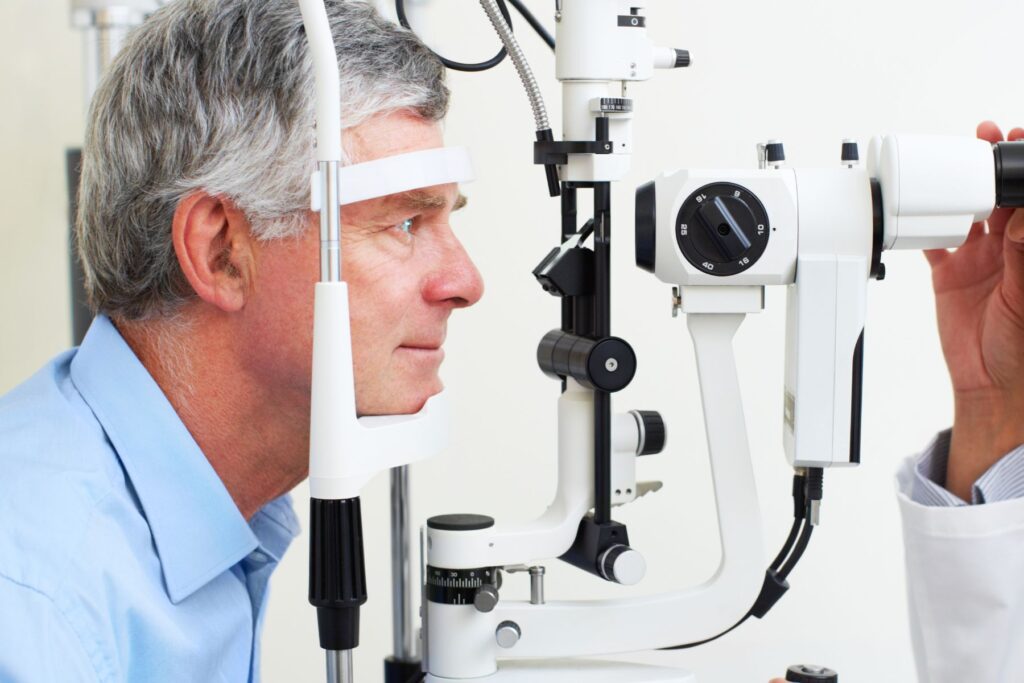
A thorough retina examination is the only way to confirm wet AMD. During your visit at Retina Consultants of New Mexico, your specialist will conduct several diagnostic tests:
- Visual acuity test: Measures clarity of sight at various distances.
- Amsler grid: Detects distorted or wavy lines—an early indicator of macular changes.
- Dilated eye exam: Allows detailed visualization of the retina and macula.
- Optical coherence tomography (OCT): Captures cross-sectional images of retinal layers to reveal fluid or swelling.
- Fluorescein angiography: Uses a fluorescent dye to identify leaking or abnormal blood vessels.
These tools give Dr. Roybal and his team a precise picture of retinal health, allowing for timely and targeted treatment.
Can Wet Macular Degeneration Be Treated With Modern Therapies?
Yes—modern retinal therapies have revolutionized how specialists manage wet AMD. While there’s no permanent cure, current treatments can stabilize or improve vision for most patients.
Wet Age-Related Macular Degeneration Treatments Explained
The cornerstone of wet AMD management is anti-VEGF (vascular endothelial growth factor) therapy. This involves injecting medication into the eye to block the protein responsible for abnormal vessel growth and leakage.
Treatment overview:
- Procedure: Performed in-office under local anesthesia; most patients feel little to no discomfort.
- Frequency: Injections are typically administered every 4–8 weeks.
- Goal: Stop fluid leakage, reduce swelling, and prevent vision loss.
At Retina Consultants of New Mexico, our leading specialist, Dr. Nathaniel Roybal, offers wet macular degeneration treatments in Albuquerque that combine advanced imaging with individualized care. These therapies can slow disease progression, stabilize vision, and, in many cases, improve sight over time.
While anti-VEGF therapy isn’t a cure, it’s one of the most successful medical treatments in modern ophthalmology. Ongoing research continues to improve outcomes and convenience for patients.
Living With Wet Macular Degeneration
Being diagnosed with wet AMD can be overwhelming, but support and proactive care make a difference. Many patients maintain functional vision and independence through consistent treatment and adaptive strategies.
Tips for living with wet AMD:
- Follow your treatment schedule: Missing injections can allow the disease to worsen.
- Use low-vision aids: Magnifiers and electronic readers enhance daily activities.
- Protect your eyes: Wear sunglasses outdoors and maintain healthy blood pressure.
- Stay connected: Support groups and counseling can help you adjust emotionally.
Remember—wet AMD doesn’t have to mean the end of your vision. With ongoing monitoring and expert treatment, you can continue to enjoy a high quality of life.
Frequently Asked Questions About Wet Macular Degeneration
Patients in Albuquerque and throughout New Mexico often have questions about how wet macular degeneration develops, how it differs from dry AMD, and what treatment options are available at Retina Consultants of New Mexico to preserve their sight.
What is the difference between wet and dry macular degeneration?
Wet AMD involves fluid leakage from abnormal blood vessels under the retina, while dry AMD develops gradually and doesn’t involve fluid buildup. Both affect central vision, but wet AMD progresses much faster.
Can wet macular degeneration be cured?
Currently, there is no permanent cure for wet AMD. However, anti-VEGF injections and ongoing monitoring at Retina Consultants of New Mexico can halt or even improve vision loss for many patients.
When should I see a retina specialist?
If you experience blurred or distorted central vision or if straight lines appear wavy, contact Retina Consultants of New Mexico to schedule a consultation immediately. Early intervention provides the best chance for preserving sight.
How often will I need treatment for wet AMD?
Most patients require injections every 4–8 weeks initially, but intervals may lengthen over time depending on response. Dr. Roybal will personalize your plan for long-term success.
Can lifestyle changes help prevent wet AMD from progressing?
Yes. Quitting smoking, maintaining a healthy diet rich in leafy greens, and controlling blood pressure all contribute to better retinal health and may slow disease progression.
Protecting Your Vision Starts With Expert Care
Wet macular degeneration is serious, but with prompt diagnosis and consistent treatment, vision loss can often be minimized or prevented.
At Retina Consultants of New Mexico in Albuquerque, our experienced team—led by Dr. Nathaniel Roybal, MD, PhD—provides comprehensive care for patients facing retinal conditions. Whether you’ve noticed new vision changes or have already been diagnosed with wet AMD, our specialists are here to help.
Contact Retina Consultants of New Mexico to schedule a consultation today. Together, we’ll develop a treatment plan that helps protect and preserve your vision for years to come.